
When did you last look for updates on your WordPress site?
Most entrepreneurs likely create a site, publish content, go live, and then consider the job done. Everything should be fine as long as the website still loads. However, not updating WordPress might hurt your internet visibility without you knowing it, or even crash your site altogether.
This article explains why updating and checking your WordPress site regularly is essential, what may happen if you don’t, and how you can maintain your site running smoothly, safely, and quickly without knowing anything about computers.
Why WordPress Updates Are So Important
WordPress, being an open-source platform, is continually under development. Its community consistently addresses issues, boosts efficiency, and reinforces security. A WordPress update is more than just a technical process; it safeguards your website.
Here’s a standard list needing frequent updates:
- WordPress core software
- Themes (even the ones you’re not using)
- Plugins
- PHP version and server environment
Each of these components works together to keep your site running smoothly.
What Happens If You Don’t Update?
Let’s break this down with real-life examples that clients often face:
1. Security Risks
An outdated WordPress site is one of the most common targets for hackers and bots. They often exploit known vulnerabilities in old plugins or themes. Just one outdated plugin can give them a way in.
Example: A business had an outdated contact form plugin that hadn’t been updated in months. Hackers used a known loophole to inject spam content, damaging the brand and triggering Google to block their site for users. Fixing it took time and effort, and cost them customers.
2. Broken Features
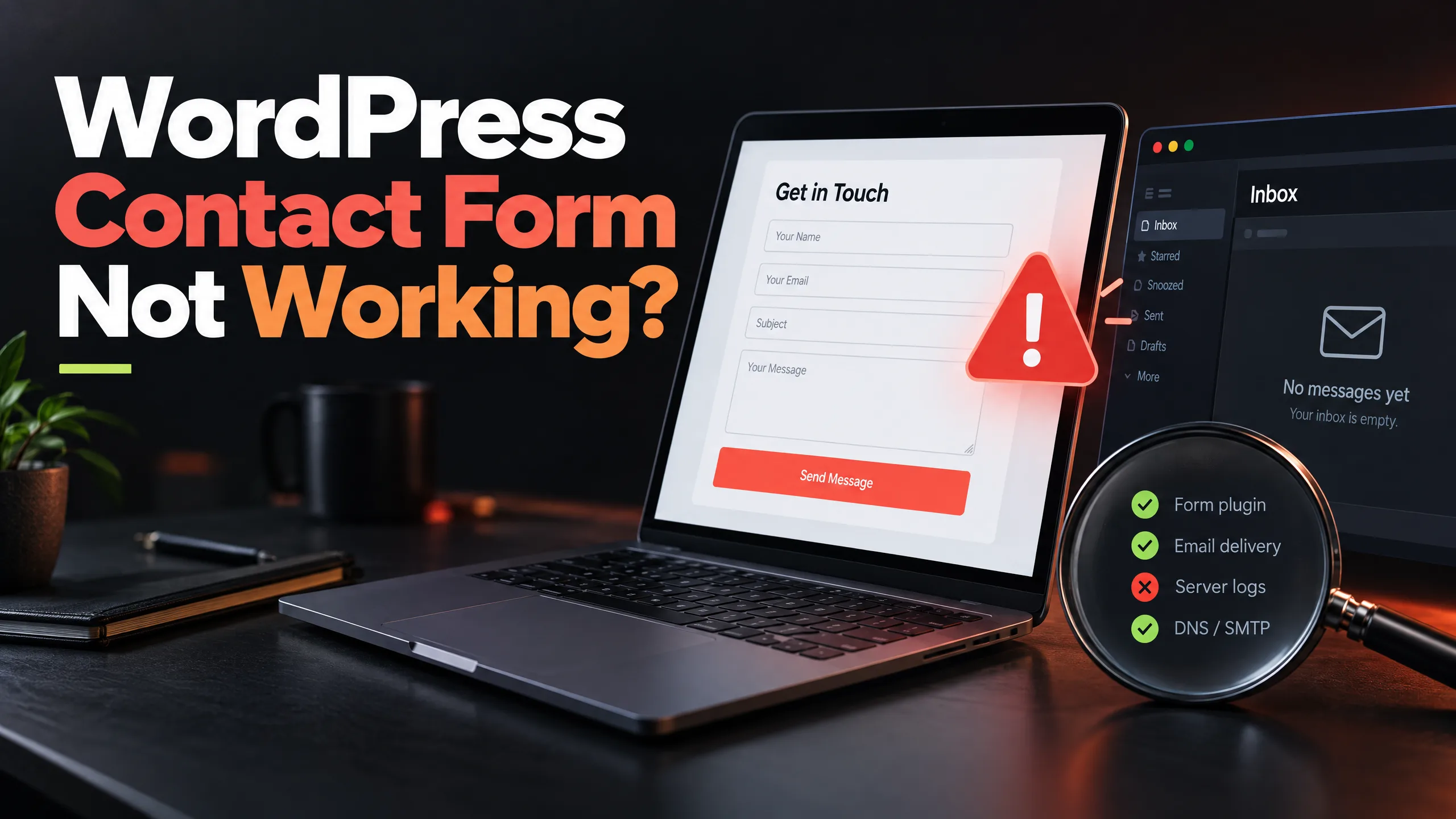
Your slider stopped working. The contact form doesn’t submit. Some images don’t load. These issues might seem random, but often they come from incompatibility between outdated plugins and the latest version of WordPress.
3. Slow Loading Times
Performance updates are released often. If you’re not updating, your site may load slowly, especially on mobile. This impacts user experience and search rankings.
4. SEO Drops
Search engines like Google want to show users safe, fast, and functional websites. An outdated WordPress site may miss critical improvements or mobile optimizations, or even be flagged as unsafe.
5. Plugin Conflicts
Plugins are like apps for your website. But when they aren’t updated, they can clash with each other or with your theme. This often leads to unexpected crashes or layout problems.
What Does a Website Check-Up Include?
Just like a car needs servicing, your website needs regular check-ups. It’s not just about clicking the “Update” button — it’s about reviewing the site’s overall health.
Here’s what a proper WordPress website check-up includes:
- Security Scan – Check for malware, suspicious files, or login attempts
- Speed Test – Identify what’s slowing down your site
- Broken Links Check – Fix links that harm SEO and frustrate users
- Plugin Review – Remove unused or unsafe plugins and update necessary ones
- Theme Compatibility Check – Ensure the theme works well with the latest WordPress version
- Backup Setup – Make sure your site can be restored if anything breaks
- Mobile Responsiveness Check – Confirm your site looks and works great on all devices
- Performance Tuning – Optimize images, database, and loading scripts
This routine maintenance keeps your digital storefront clean, functional, and trustworthy.
How Often Should You Update?
Most websites should get updates and evaluations at least once a month. Suppose your site takes online purchases, bookings, or payments, though. In that case, doing maintenance every week or every other week is safer.
It’s also a good idea to schedule a more thorough check-up every few months, like having a comprehensive health report instead of just when anything breaks.
Can You Do It Yourself?
Yes and no.
You can log in to your WordPress dashboard and hit “Update” on plugins or themes. But here’s where things can go wrong:
- Some updates might break your layout if your theme isn’t compatible
- Updating PHP on your hosting can crash the site if it’s not tested properly
- You might skip a backup and then lose data if something fails
- Conflicts between plugins can create issues that are hard to trace without experience
If you’re not entirely comfortable with WordPress backend tasks, hiring someone to handle them professionally saves time and prevents headaches.
How It Helps Your Business
Clients who regularly maintain their WordPress sites experience:
- Faster website speed (which means more conversions)
- Better rankings on Google (which leads to more traffic)
- Fewer bugs and breakdowns (which means fewer support calls or panicked weekends)
- Higher trust from customers (a secure site builds confidence)
- Longer site lifespan (no need for sudden complete redesigns)
It’s about staying ahead, not just fixing things when they break.
Why Clients Choose Swap Design
It’s OK that many company owners don’t have the time, technical knowledge, or motivation to deal with the backend of their site. That’s when Swap Design comes in.
I provide easy, trustworthy, and personalized professional WordPress website maintenance services. I help keep your website safe, quick, and up-to-date with anything from one-time health checks to monthly care plans. This way, you can focus on developing your business.
Here’s what you get when you work with us:
- Regular plugin, theme, and WordPress core updates
- Full website backups and restore options
- Malware scans and security monitoring
- Speed optimization
- Support for fixing broken features
- Simple reports so you always know your site is in good shape
No tech jargon, no hidden issues — just peace of mind that your website works as it should.
Final Thoughts
Your website is how people see you online. In the near term, it can seem OK to ignore updates. But over time, it makes your site more vulnerable to security threats, slows down performance, and makes your visitors lose faith in you.
Like any other important business tool, you should keep your site in excellent health instead of waiting for something to go wrong.
Let Swap Design take care of the technical issues. We’ll ensure your WordPress site is safe, quick, and operates well.
Have a useful thought?
Comments are reviewed before they appear. Keep it specific and helpful.